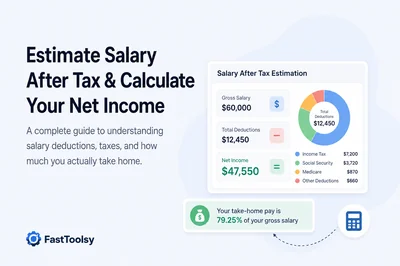
When you accept a job offer, the headline number is almost never the amount that lands in your bank account. Taxes and deductions sit between your gross salary and your actual take-home pay, and the gap can surprise you. The fastest way to set realistic expectations is to run the figures through a Salary & Tax Calculator so you can see an estimated net income before you sign anything or build a budget around it.
Gross pay vs net pay: what the words really mean
These two terms cause most of the confusion, so it helps to define them clearly:
- Gross pay is your total salary before any deductions. It’s the number on the offer letter or contract, often quoted as an annual figure.
- Net pay (also called take-home pay) is what remains after taxes and other mandatory or chosen deductions are removed.
Think of gross pay as the starting balance and net pay as the amount you can actually spend, save, or use to pay bills. Every deduction in between reduces the headline number step by step. Understanding which deductions apply to you is the key to estimating net income accurately.
Common deductions that shrink your take-home pay
Deductions differ from one country and employer to another, but most pay structures involve some combination of the following:
- Income tax: Often calculated using brackets, where higher portions of income may be taxed at higher rates. This is usually the largest single deduction.
- Social or national insurance contributions: Mandatory payments that may fund pensions, healthcare, or unemployment programs in some systems.
- Pension or retirement contributions: A percentage of pay set aside for retirement, sometimes matched by an employer.
- Health or other insurance premiums: Deducted directly from pay in many workplaces.
- Other withholdings: These can include union dues, loan repayments, or voluntary savings plans.
Because each of these comes off your gross amount, two people with identical salaries can end up with very different net incomes depending on their location, contributions, and personal circumstances.
Why your take-home is lower than the offer
The gap between the offer and your bank deposit is normal, not a mistake. A salary quoted as a yearly gross figure is divided into pay periods (monthly, biweekly, or weekly), and deductions are applied each period. So a large annual number can translate into a noticeably smaller monthly deposit once tax and contributions are taken out.
A few practical reasons take-home differs from the offer:
- Tax brackets mean part of your income may be taxed at a higher rate as you earn more.
- Mandatory contributions apply before you ever see the money.
- Pre-tax vs post-tax deductions change the order in which money is removed, which affects the final figure.
- Pay frequency changes how the annual figure is split, so a monthly payslip looks smaller than the annual headline.
Knowing this in advance helps you negotiate, compare offers fairly, and avoid budgeting against a number you’ll never actually receive.
How to estimate your salary after tax step by step
You can get a useful estimate in a few minutes. Here’s a clean workflow using a net income calculator:
- Gather your inputs: your gross salary, the period it covers (annual or monthly), and any contribution rates you know.
- Open the tool: the Salary & Tax Calculator lets you enter your figures and see an estimated breakdown.
- Enter your gross amount and select the correct period so the calculation matches your payslip.
- Add deductions such as income tax assumptions, insurance, or pension contributions where the tool allows.
- Review the estimated net and note both the monthly and annual figures so you can plan in the unit that suits you.
Double-check the math yourself
If you want to verify a single deduction, the Percentage Calculator makes it easy to confirm what, say, a 5% pension contribution actually costs you per month. Cross-checking one figure by hand builds confidence in the overall estimate.
Turning your net income into a realistic budget
Once you have an estimated take-home figure, you can plan around the money you’ll really receive instead of the headline offer. A simple approach:
- Map your fixed costs (rent, utilities, transport) against your monthly net, not your gross.
- Decide a savings target as a percentage of net pay and project it forward with the Savings Calculator.
- Test big commitments: if you’re considering a property, the Mortgage Calculator helps you see whether the monthly payment fits your net income.
- Plan repayments: for car finance or personal borrowing, the Loan Calculator shows how a monthly installment compares to your take-home pay.
Budgeting against net income keeps your plans grounded in what you can actually spend, which is the whole point of estimating salary after tax in the first place.
Accuracy & important note
This calculator gives planning estimates only. Tax rules, brackets, and deductions vary by country and change over time, so results are not official tax advice — confirm with your employer, payslip, or local tax authority.
Related tools & toolkits
Pair your salary estimate with other planning tools: project long-term goals with the Savings Calculator, weigh borrowing costs with the Loan Calculator and the Mortgage Calculator, and verify individual figures with the Percentage Calculator. For everything in one place, browse the Calculator Toolkit or explore All Toolkits. You can also start from the FastToolsy homepage.
Frequently Asked Questions
What is the difference between gross and net salary?
Gross salary is your total pay before any deductions, usually the figure on your offer letter. Net salary, or take-home pay, is what remains after income tax and other deductions are removed. Net is the amount you can actually spend or save.
Why is my take-home pay so much lower than my offer?
The offer is a gross figure. Income tax, social or national insurance, pension contributions, and other withholdings are subtracted before you receive your pay. Pay frequency also splits an annual figure into smaller periods, so a monthly deposit looks smaller than the headline number.
Can a calculator tell me my exact net income?
A calculator gives an estimate based on the inputs and assumptions you provide. Because tax rules and deductions vary widely and change over time, the result is a planning guide rather than an exact figure. Your payslip is the authoritative source for your actual net pay.
How do tax brackets affect my salary after tax?
Many systems tax income in tiers, so different portions of your income may be taxed at different rates. As your earnings rise, a larger share can fall into higher-rate bands, which is one reason net pay does not increase in a straight line with gross pay.
What information do I need to estimate my net pay?
At a minimum, you need your gross salary and the period it covers. Adding any contribution rates you know, such as pension or insurance percentages, makes the estimate more useful. Checking your payslip for the deductions already applied helps you refine the inputs.
كيف تقدّر راتبك بعد الضريبة وتفهم صافي الدخل
عندما تقبل عرض عمل، فإن الرقم المعلَن في العرض نادراً ما يكون المبلغ الذي يصل فعلاً إلى حسابك البنكي. فالضرائب والاستقطاعات تقف بين راتبك الإجمالي وما تتقاضاه فعلياً، وقد تكون الفجوة بينهما مفاجئة. وأسرع طريقة لوضع توقعات واقعية هي إدخال الأرقام في حاسبة الراتب والضريبة لترى تقديراً لصافي الدخل قبل أن توقّع أي شيء أو تبني ميزانيتك عليه.
الفرق بين الراتب الإجمالي والراتب الصافي
يسبب هذان المصطلحان معظم الالتباس، لذا من المفيد توضيحهما:
- الراتب الإجمالي هو إجمالي أجرك قبل أي استقطاعات، وهو الرقم الوارد في عقد العمل أو خطاب العرض، وغالباً ما يُذكر كمبلغ سنوي.
- الراتب الصافي هو ما يتبقى بعد خصم الضرائب وغيرها من الاستقطاعات الإلزامية أو الاختيارية، وهو المبلغ الذي يمكنك إنفاقه أو ادخاره فعلاً.
فكّر في الراتب الإجمالي كرصيد البداية، وفي الصافي كالمبلغ القابل للاستخدام بعد أن يقلّصه كل استقطاع خطوة بخطوة.
أبرز الاستقطاعات التي تخفض راتبك الصافي
تختلف الاستقطاعات بين بلد وآخر وبين صاحب عمل وآخر، لكنها غالباً ما تشمل مزيجاً مما يلي:
- ضريبة الدخل: تُحسب غالباً عبر شرائح، حيث قد تُفرض على الأجزاء الأعلى من الدخل نسب أعلى، وهي عادةً أكبر استقطاع منفرد.
- اشتراكات التأمينات الاجتماعية أو الوطنية: مدفوعات إلزامية قد تموّل المعاشات أو الرعاية الصحية في بعض الأنظمة.
- اشتراكات التقاعد أو المعاش: نسبة من الأجر تُخصص للتقاعد، وقد يساهم فيها صاحب العمل أحياناً.
- أقساط التأمين الصحي وغيره: تُخصم مباشرة من الأجر في كثير من أماكن العمل.
ولأن كل بند من هذه يُخصم من المبلغ الإجمالي، فقد ينتهي شخصان بالراتب نفسه إلى صافي دخل مختلف تماماً بحسب موقعهما واشتراكاتهما وظروفهما.
كيف تقدّر راتبك بعد الضريبة خطوة بخطوة
يمكنك الحصول على تقدير مفيد في دقائق قليلة باتباع هذه الخطوات:
- اجمع بياناتك: راتبك الإجمالي، والفترة التي يغطيها (سنوية أو شهرية)، وأي نسب اشتراك تعرفها.
- افتح الأداة: تتيح لك حاسبة الراتب والضريبة إدخال أرقامك ورؤية تقدير مفصّل.
- أدخل المبلغ الإجمالي واختر الفترة الصحيحة لتطابق قسيمة راتبك.
- راجع الصافي المقدَّر ودوّن القيمتين الشهرية والسنوية لتخطّط بالوحدة المناسبة لك.
وللتأكد من حساب استقطاع واحد، تساعدك حاسبة النسبة المئوية على معرفة تكلفة نسبة معينة مثل اشتراك تقاعد بقيمة 5% شهرياً.
تحويل صافي الدخل إلى ميزانية واقعية
بعد أن تحصل على تقدير لراتبك الصافي، يمكنك التخطيط بناءً على المبلغ الذي ستتقاضاه فعلاً بدلاً من الرقم المعلَن. خطّط لمصروفاتك الثابتة استناداً إلى الصافي الشهري، وحدّد هدفاً للادخار كنسبة من الراتب الصافي. وعند التفكير في الاقتراض، تساعدك حاسبة القرض على مقارنة القسط الشهري بدخلك الصافي قبل الالتزام.
ملاحظة مهمة حول الدقة
تقدّم هذه الحاسبة تقديرات للتخطيط فقط. تختلف قواعد الضرائب والشرائح والاستقطاعات من بلد إلى آخر وتتغير بمرور الوقت، لذا فإن النتائج ليست استشارة ضريبية رسمية — تأكّد من ذلك عبر صاحب العمل أو قسيمة الراتب أو الجهة الضريبية المحلية.
الأسئلة الشائعة
ما الفرق بين الراتب الإجمالي والراتب الصافي؟
الراتب الإجمالي هو إجمالي أجرك قبل أي استقطاعات، وهو عادةً الرقم الوارد في خطاب العرض. أما الصافي فهو ما يتبقى بعد خصم ضريبة الدخل وغيرها من الاستقطاعات، وهو المبلغ الذي يمكنك إنفاقه أو ادخاره فعلاً.
لماذا يقل راتبي الصافي كثيراً عن العرض؟
العرض رقم إجمالي، وتُخصم منه ضريبة الدخل والتأمينات واشتراكات التقاعد وغيرها قبل أن تتقاضى أجرك. كما أن تقسيم المبلغ السنوي على فترات يجعل الإيداع الشهري يبدو أصغر من الرقم المعلَن.
هل يمكن للحاسبة أن تخبرني بصافي دخلي بدقة؟
تقدّم الحاسبة تقديراً بناءً على البيانات والافتراضات التي تدخلها. ولأن القواعد والاستقطاعات تختلف وتتغير، فالنتيجة دليل تخطيطي وليست رقماً نهائياً؛ وتبقى قسيمة راتبك هي المصدر الموثوق لصافي أجرك الفعلي.
ما المعلومات التي أحتاجها لتقدير صافي راتبي؟
تحتاج كحد أدنى إلى راتبك الإجمالي والفترة التي يغطيها. وإضافة أي نسب اشتراك تعرفها، مثل نسب التقاعد أو التأمين، يجعل التقدير أدق وأكثر فائدة.